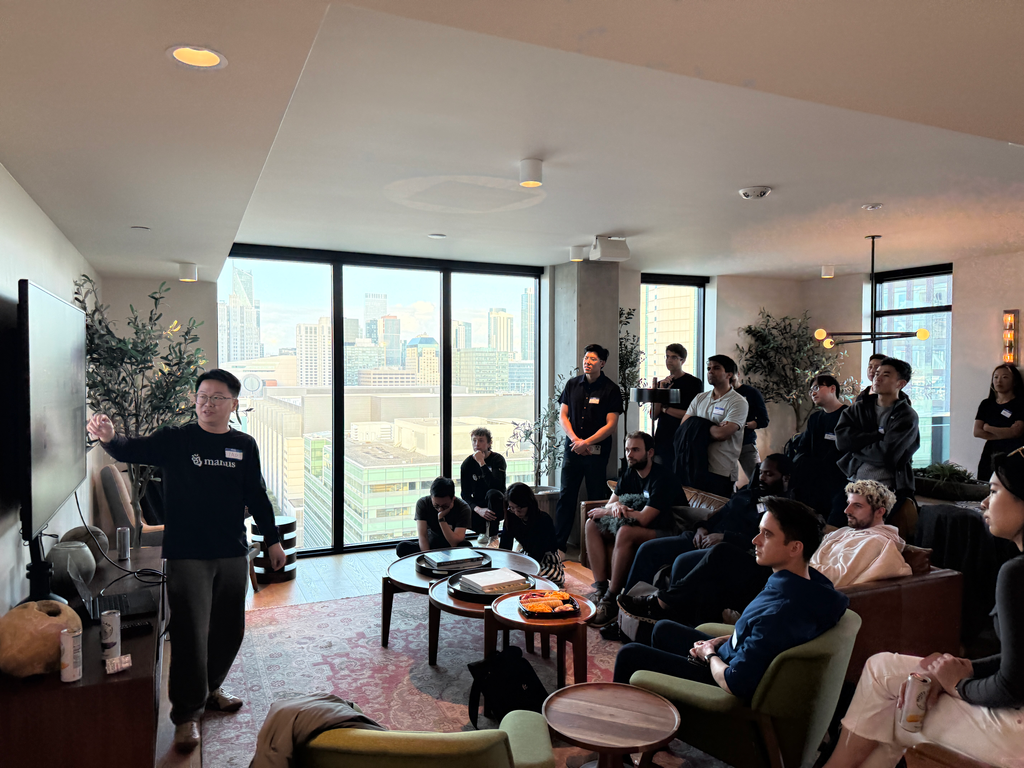

The Problem
AI Agents are poised to disrupt $3T worth of existing services across all traditional SaaS and services verticals.
Vertical AI Agents Could Be 10X Bigger Than SaaS
As AI models continue to rapidly improve and compete with one another, a new business model is coming into view - vertical AI agents. In this episode of the Lightcone, the hosts consider what effect vertical AI agents will have on incumbent SaaS companies, what use cases make the most sense, and how there could be 300 billion dollar companies in this category alone.
Chapters (Powered by https://bit.ly/chapterme-yc) -
0:00 Coming Up
1:01 Jared is fired up about vertical AI agents
7:25 The parallels between early SaaS and LLM’s
9:09 Why didn’t the big companies go into B2B SaaS?
12:25 How employee counts might change
16:25 The argument for more vertical AI unicorns
21:31 Current examples of companies/uses
35:22 AI voice calling companies
40:04 What is the right vertical for you as a founder?
41:36 Outro
https://www.youtube.com/watch?v=ASABxNenD_U

The AI Workforce is Here: The Rise of a New Labor Market
Software and labor are becoming one market. We're seeing an "AI workforce" that will transform the services industry.
https://www.nfx.com/post/ai-workforce-is-here
However, there is a long way to go to get there. Most industries require high reliability in order to adopt Agents into their workflows, especially in enterprise. They also require a high degree of trust and accountability. This results in companies that are not able to ship or realize revenue in the short term.
What could slow the shift to agentic AI
Experts from Insight Partners, Microsoft and IBM weigh in on the challenges that must be overcome before AI agents become commonplace in the enterprise.
https://www.venturecapitaljournal.com/what-could-slow-the-shift-to-agentic-ai/

Luckily, we’ve already seen this play out before. It took more than 8 years for players in the autonomous vehicle space to fully realize the promises that were brought on by the hype cycle.
Solving Reliability in Autonomous Agents
Here’s Dylan Patel and Nathan Lambert describing how Abundant’s teleoperation platform works on the Lex Fridman podcast:
Chaining tasks together each time, even the best LLMs in particularly pretty good benchmarks don’t get 100%, right? They get a little bit below that because there is a lot of noise. And so how do you get to enough nines, right? This is the same thing with self-driving. We can’t have self-driving because without it being super geofenced like Google’s and even then they have a bunch of teleoperators to make sure it doesn’t get stuck. There is a company, I don’t remember it, but that’s literally their pitch: “Yeah, we’re just going to be the human operator when agents fail and you just call us and we fix it.” Same thing an API call, it’s hilarious. - Dylan Patel, Founder of SemiAnalysis
If we can’t get intelligence that’s enough to solve the human world on its own, we can create infrastructure like the human operators for Waymo over many years that enable certain workflows. - Nathan Lambert, Post-Training Lead @ Allen Institute for AI
Self-driving: solved?
In order to deliver tens of thousands of autonomous rides per week, Waymo relies on its network of remote operators to intervene in edge cases.
While this costs Waymo hundreds of millions of dollars in infra and operations costs, it is critical to being able to deploy to production, at scale, and produce real revenues (growing 10x y/y).
Tesla is following suit and investing heavily in teleoperation for both FSD and Optimus deployments.
Teleoperation was critical in Waymo deploying to urban environments.
More 9s! AI Agents require high reliability.
Although many companies are promising fully autonomous workloads, many are still in the 60-70% reliability range. Especially in web/desktop environments, the number of potential edge cases that agents fail on are staggering:
- Dynamic/non-standard JavaScript
- Authentication and payment verification
- Captchas and human verification
- Government and legacy websites
When encountering regulated industries such as healthcare, finance and legal, reliability rates of even 90-99% are unacceptable given the consequences of errors.
Are we hitting a ‘data wall’?
You may also wonder, is this a temporary problem, where the models are simply not good enough yet? This could be true! However, there is evidence that this problem may not be as temporary as it seems.
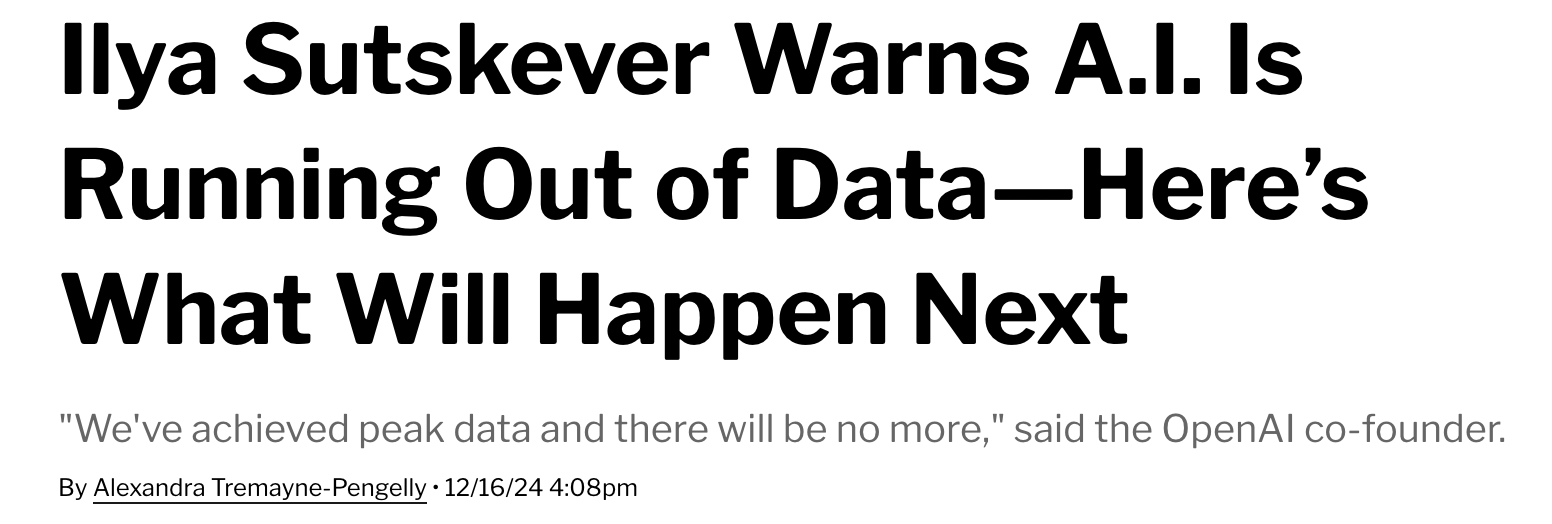
It’s been well reported that there is an imminent “data wall” for LLM training. This is largely due to dependence on pre-training data, which comes from the internet — and we only have 1 Internet. Other data needs to come from

Particularly challenging is collecting agent training data for imitation learning. This data isn’t nearly as straightforward as text completions or question-answer pairs. This data needs to be collected via telemetry, the same way that data is collected for learning in robotics.
By providing the tooling and the operations, we provide the data necessary to push models to be better at agent tasks: reasoning, tool use, computer use, etc.
Regulation. Is. Coming.
The EU AI Act, passed in 2024, explicitly requires human oversight for high-risk AI systems, including autonomous agents that make significant decisions. This regulation mandates that companies implement "human-in-the-loop" systems for monitoring and intervening in AI operations:
Article 14: Human Oversight
Article 13: Transparency and Provision of Information to Deployers
https://artificialintelligenceact.eu/article/14/
Key requirements from the EU AI Act include:
- Real-time monitoring capabilities for AI systems
- Clear procedures for human intervention when needed
- Documentation of oversight processes and intervention instances
- Regular assessment of AI system performance and reliability
As AI agents become more prevalent in critical sectors like healthcare, finance, and legal services, we can expect similar regulatory frameworks to emerge in other regions, particularly in the United States. The push for accountability and oversight will likely increase as these systems handle more sensitive and high-stakes tasks.
Companies that proactively implement robust human oversight infrastructure will be better positioned to comply with current and future regulations while maintaining public trust.
Deploy today, using Abundant’s Assist Platform
Just like in autonomous vehicles, having humans in the loop enables the deployment of billions of autonomous agents in use across every knowledge work industry. Our platform provides critical infrastructure for managing AI agent operations at scale, similar to how Waymo's remote operations enable their autonomous vehicle fleet. Some key components include:
- Handoff and Context Transfer: Our platform's handoff system switches between AI agents and human operators. When an agent needs help, the system connects to a human operator while keeping all session information, letting the end-user continue their task.
- Operator Workspace: Operators use a workspace with tools to see and complete tasks. This includes monitoring of agent states, intervention tools, and communication channels. Metrics help operators track their work.
- Agentic Training Data: Using our tooling, we’re able to provide training data for agent builders and foundation model companies. Note that this data is much different than traditional human data for completions and chat; this data needs to be collected on specific tooling on end-to-end tasks.
The Hybrid Agent Stack for Production Deployments
We’ve spent the past year working with and talking to hundreds of agent builders. As a result of this experience, we’ve identified that the fundamental barrier to deployment is how edge cases are handled. As we’ve already seen play out in autonomous vehicles, the companies who solve this will capture billions in value.
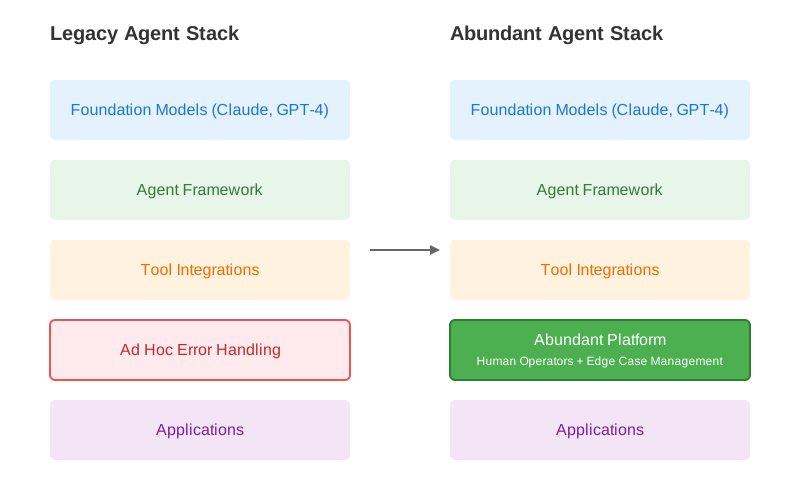
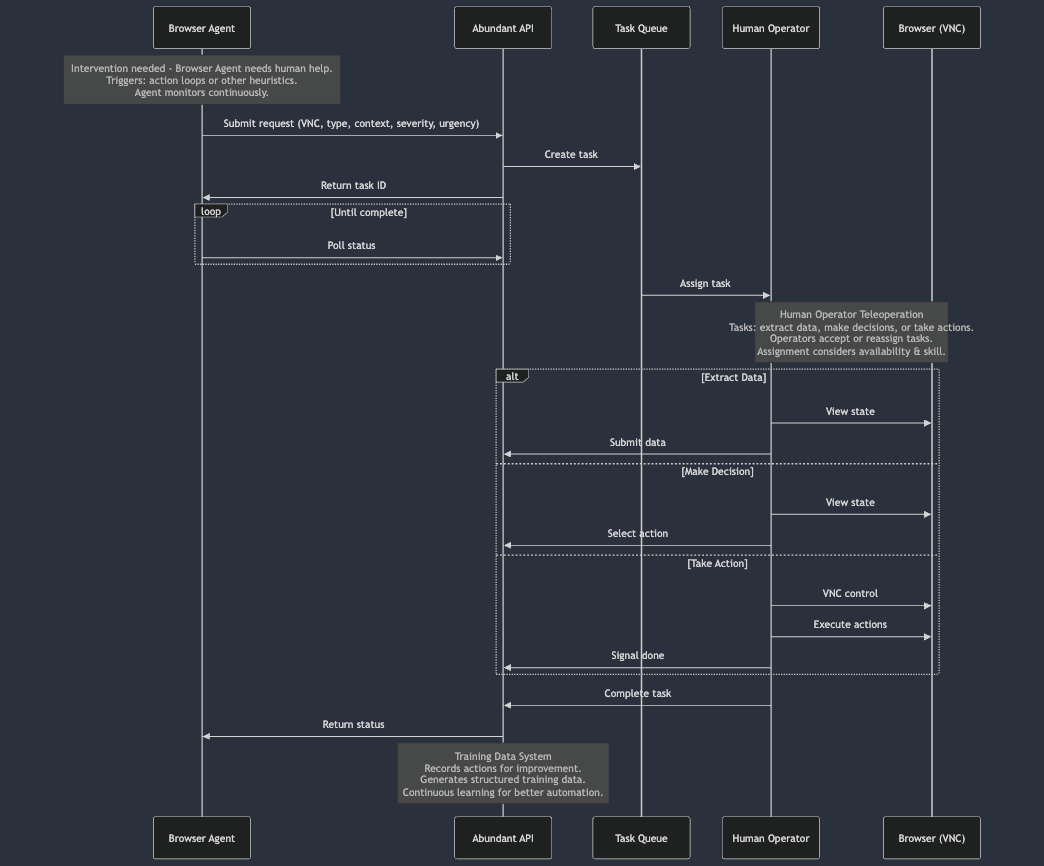
Abundant operation architecture for web agent teleoperation
Our platform's architecture is designed for seamless integration and secure operation:
- Simple API Integration: Developers can integrate Abundant through a straightforward API call. When an agent encounters an edge case or needs human assistance, the API automatically triggers a handoff.
- Context Preservation: During handoff, we maintain the complete state and context of the agent's session, including:
- Current browser or application state
- History of actions and attempts
- User preferences and requirements
- Authentication tokens and session data
- Security and Privacy: Our platform implements enterprise-grade security measures:
- End-to-end encryption for all data transmission
- Secure data isolation between different client environments
- Regular security audits and compliance certifications
What’s next?
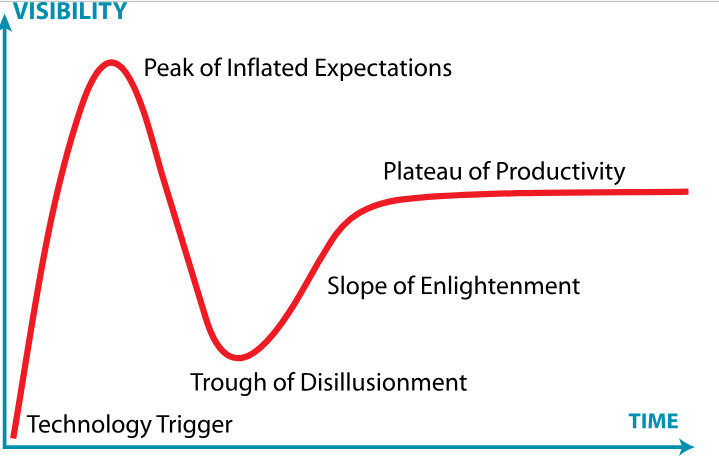
Agents today are where self-driving cars were 7 years ago.
The path to widespread AI agent adoption faces significant challenges that mirror those in self-driving cars:
- High reliability requirements, especially in enterprise and regulated industries
- The need for human oversight and accountability
- Regulatory compliance demands
- Data collection challenges for improvement
Abundant's teleoperation platform provides the critical infrastructure needed to deploy AI agents today, fixing each of those problems:
- Seamless human-in-the-loop operations
- Enterprise-grade reliability and compliance
- Valuable training data collection
Just as teleoperation proved crucial for self-driving cars, it will be essential for scaling AI agents across industries. Companies that embrace this hybrid approach will be best positioned to deliver reliable, trustworthy AI solutions in production environments.